herons and scavengers… 12

du inspektoroj kaj unu pastro

12. Two supervisors and a priest

Translated by Angela Telles-Vaz

Some characters must be brought into play in this tapestry that resembles almost like lacework. It seems the threads look loosen up without them. Or it’s as if from now on, I insert needles to make big stitches, to tack the gaps and patch the holes. Although they are active and important needles, they are also threads, stitches, nodes and bows that tight to give form to increase the fabric texture.
Or bows that are tight.
If I think now about the supervisors and the priest as puppeteers that owned our unarmed will, in order to relieve them, I try to imagine them as puppets moved by superior hands. In this case, puffy hands of an old, huge and ugly whore, like some bitches of Fellini, this huge and dirty slut they call human society.
I was never able to solve the mystery I had inside of me about the supervisors. They were two. Right. Antonio and Sinuca. I have vivid memories in which both of them participated. Always separately, except during the time of the purging. The mystery rooted inside is: which one came first, which one came later? I think, at the beginning it was Antonio and then Sinuca. But I do get mixed up trying to remember what happened in the end, a little before departure, when I realize that it’s Antonio who is there again. For instance, the Nights of Paddles. It’s very likely that they both worked together, taking turns.
I don’t know if this is the case. I don’t know if this is the point. Everything is very blurred, very hazy and very white. Would it be worth to try to interpreter it all?
Well, well, well…
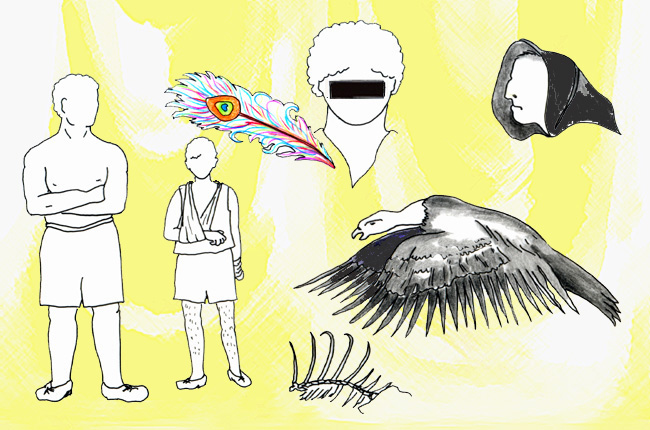
It was Antonio who accompanied us on our way. He was on the train together with Aluísio. Antonio was a huge and very strong mulatto. He had short, kinky hair. He was hated by everyone but if I try to remember of one only moment that I felt any negative feelings towards him, I can’t. Of course I felt the general feeling, the feeling of a deer being delivered to the lions, but not the silent hatred feeling of all the other boys, the silent rebellion of all the students.
In fact, my feelings were dubious, like a child and his father. He liked me very much, protected me openly as all the big boys did. So, I liked him but also feared him. The conflict should be worse for all the others. They were hardly beaten and yet he showed many times an extremely nice attitude. There was, for instance, a lot of camaraderie in the old boy’s dorm. He slept in the lower bunk bed and they talked up until late. I wonder though, did he actually sleep there? Or just stayed up talking until falling asleep? I remember his conversations, telling ghost stories. Another thing: did he have sheets? a blanket?  Because at the end, when the mattresses became thin and full of holes and were used as covers, even the older ones didn’t have covers themselves. Geraldo and I needed to sleep on the same side of the bed, curled up tight in order to pull the bottom of the mattress over our bodies. Who knows if Antonio slept in some other accommodation? Or was he himself another victim of the general misery?
I don’t know, I don’t know, I don’t know, no.
I don’t remember

Fate was cruel to Sinuca. He was the other supervisor. I think he never laid hands on me. But I don’t feel for this creature anything nice, nothing edifying, but a sentiment mixed of a caged hatred and an incapable pity. He was from the Northeastern region. Thin lips, malicious eyes, curly hair glued to the skull. Tiny and skinny like a hungry rat. Perhaps that’s why he was so aggressive. Antonio was huge. He would arrive with confidence. Sinuca would come in his shorts, swinging, balancing over his two slender hairy legs, he needed to shout louder and kick. He knew how to be nasty, I cannot think of anything less unpleasant about this person. Was it because he never gave me any attention at all? Or because he simply was regarded by all as a wild beast and consequently fear and hate from them all infected me? Perhaps it was all of it together. He was mortally hated. Some time before my departure, he was violently beaten by some of the older students. Hate had risen as pressure, anger increased and the despair angered those troubled hearts and they caught him off guard. They drove him into a dark corner and rushed themselves at him, discharging at the executioner the fury of a thousand victims, transforming each of the aggressors in attorneys of a collective rage.
I think this is the part that I restrained myself, scared, and repeated full of grief the reading of a passage from the book, The Tenement, from Aluísio de Azevedo, in which Jerônimo and some black guys beat up Firmo to death. A word never left my mind: the bloody package.
Sinuca disappeared completely and then came back as soft as a feather, smooth and nice. He was limping. He was patched as the Tortoise, the land turtle from the fable, who tried to travel to the party in heaven. The Tortoise entered inside the Vulture’s guitar and enjoyed the party. When they returned, the vulture found that out, turned the guitar over and the Tortoise fell off. That’s why he has cracks on his shell. That’s how Sinuca was, the patched one.
Trips to heaven can transform ascension into fall. This is a foolish, awkward and unnecessary remark.
Navigating among the students and the gods of the Olympus, who were the supervisors, floated some special students, with some blatant regalia. Were they the messengers between the worms and the authority?, like Mercury. Or bed waiters?, like Ganymede. I don’t know if they were many, these live purgatories, that were not only the gnashing of teeth of cold endless nights, nor achieved to be the transitory bliss of absolute power. At the top, they were used in secret, to avoid the disgrace known by all. At the bottom, they were scorned as the crow who adorned itself with the peacock feathers. It is true that I only remember one of those pitiable creatures, not a crow anymore and yet not a peacock: Aluísio. I say pitiful, for he was badly regarded among the students; for nothing more. I was too little to understand these complexities.

No more fables or mythology. I don’t want any literature over HIM. I’ll try to restrict to the scalpel of my memory. Perhaps my hand will tremble as I write. I don’t want to be cruel and yet I can’t be soft.
Next to the Orphanage lived the priest who was our Principal.
From where does such nauseate feeling come that the memory of that priest brings to the surface of the lost waters of my soul? He was the boss, the absolute master. If the correction paddle hurt, it was he who gave the order. If the food got worse, some frog or lizard must have been spewed from his mouth along with his coward orders. We all knew that he was the chief-puppeteer who held the strings that made Antonio and Sinuca’s movements. We all knew. So much so, that on the terrible Afternoon Rebellion, it was towards his home that the courageous and determined cries were blasted.
Bucket had no name. Friends don’t need a name. Neither that man had a name. He was just The Priest. For me, a kind of King-Vulture, a dark stain that came and went as he pleased. In my memory, he never walks with his feet on the ground he just comes and goes, floating like a ghost.
It seems that during my stay in his circle of hell, that poor Mephistopheles was mentioned in one of Rio’s magazines or some newspaper. I don’t know the proportion of the scandal. My grandmother used to say that he received the gifts from family members but didn’t pass them on to the students. My mother mentioned pairs of shoes, and clothes that weren’t ever seen by any of us. It was this article that caused my family’s despair and led them to commit themselves to get the money for our return.
Besides a hazed shadow in black gliding (oh! that Teutonic monk from the movie Alexander Nevsky), this creature fortunately didn’t mark my soul. I don’t remember his face, and know nothing about his eyes. It’s just a Vulture with broken wings forever pacing inside of me. It’s an inconvenient fly that comes back if I send it away.
For the flies of memory, there’s no insecticide.
Fortunately, he visited us very seldom. He could have come limping, in patches, with a wrinkle of concern, with sadness in his eyes, and yet any of these tiny human miseries could have been enough to mark the rest of my life. I would feel sorry for him and suffer with him, willing to find an excuse, pretending to forgive his major and only crime, which is, according to Spinoza, of ignorance. The person who agrees with Spinoza is led to forgive easily.
Years later, I’ll think: the guilt of human sin, Mr. Spinoza, it doesn’t derive from ignorance but from the neurotic immaturity of the human soul. Just a decent social life will enable human relationships to mature.
But I did not know Spinoza, I was seven-eight years old, a little more, a little less. My mind of today doesn’t have the right to philosophize on behalf of my previous fate. I was seven-eight years old but wasn’t Existentially incapable. If I could suffer, I could hate. The pain is gone, yes, but it didn’t turn into a zero inside of me.
I don’t give anyone the right to forgive in my name. I don’t give to whom I am today the right to act on behalf of who I was.
Today, I know that I cannot condemn him. But the boy that I was has already delivered him to damnation.
I don’t delete what I thought at that time.
Nothing, I repeat.
I’m only remembering unpleasant things that have already gone.

I wouldn’t like to see that man again.

to be continued on next sunday.

garças e abutres… 12

du inspektoroj kaj unu pastro

12. Dois inspetores e um padre

    É preciso dar entrada em cena a algumas figuras importantes nesta tapeçaria quase uma renda. Parece que os fios ficam soltos, sem eles. Ou é como se, a partir de agora, eu enfiasse agulhas em pontos abertos, alinhavando brechas, remendando buracos. Porque, ao mesmo tempo em que são agulhas, ativas e importantes, eles também são linhas, fios, pontos, nós, laços que apertam para dar forma, aumentar a trama do tecido.
Ou laços que são apertados.
Se penso agora nos inspetores e no padre, como marionetistas donos de nossas vontades desarmadas, procuro, para aliviá-los, imaginá-los como bonecos movidos por mãos superiores. No caso, mãos balofas de uma velha prostituta imensa e feia como algumas putas de Fellini, essa puta gorda e imunda a que chamam sociedade humana.
Nunca consegui dissolver o mistério que se armou dentro de mim a respeito dos inspetores. Eram dois. Certo. Antonio e Sinuca. Tenho recordações nítidas em que ambos participam. Mas, sempre isolados, à exceção da hora dos purgantes. Mas o mistério que se plantou dentro de mim é: qual dos dois veio antes, qual veio depois? Penso que no início era o Antonio, depois veio o Sinuca. Mas me confundo ao lembrar de coisas do final, pouco antes de partir, ao perceber que é Antonio que está lá, novamente. Como na Noite das Palmatórias, por exemplo. É muito provável que ambos trabalhassem juntos, revezando-se.
Não sei se isto vem ao caso. Não sei o quê vem ao caso. É tudo muito difuso, muito apagado, muito branco. Valeria a pena tentar decifrar tudo?
Bem, bem, bem…
Foi Antonio que nos acompanhou na nossa ida. Ele estava no trem, acompanhado do Aluísio. Antonio era mulato, enorme, muito forte. Cabelo curto, sarará. Era odiado por todos, mas se tento me lembrar de um momento em que tenha nutrido por ele qualquer sentimento negativo, não consigo. É evidente que eu partilhava do medo geral, aquele medo de gamo entregue a leões. Mas não o silencioso ódio dos outros, a surda revolta de todos os alunos.
Na verdade, meu sentimento era dúbio, como o de um filho em relação ao pai. Ele gostava muito de mim, me protegia abertamente, como faziam todos os grandes. Por isso, eu gostava dele. Mas também o temia. O conflito devia ser pior para os demais. Apanhavam, no duro, e, no entanto, ele tinha, muitas vezes, uma atitude qualquer, extremamente simpática. Havia, por exemplo, muita camaradagem no dormitório dos mais velhos. Ele dormia no leito debaixo de um beliche e conversavam até tarde. Me pergunto, porém: ele dormia de fato ali? ou apenas ficavam conversando até que o sono chegasse? Lembro de suas conversas, contavam casos de assombração. Outro problema: ele tinha lençóis? cobertor? Por que, no final, quando os colchões finos e esburacados eram usados para cobrir, nem os grandes tinham coberta. Eu e Geraldo precisávamos dormir no mesmo lado da cama, encolhidos e apertados, para poder puxar a parte inferior do colchão sobre nossos corpos. Quem sabe se Antonio dormia nalgum outro alojamento? Ou seria, ele mesmo, outra vítima da miséria geral?
Não sei, não sei, não sei, não.
Não me lembro

O destino foi cruel com Sinuca. Era o outro inspetor. Nunca me encostou a mão, creio. Mas não sinto por essa criatura nada de agradável, nada de edificante, senão um sentimento misto de ódio engaiolado e uma piedade incapaz. Era nordestino. Lábios finos, olhos maliciosos, cabelos encaracolados e grudados no crânio. Pequenino e magro como um rato faminto. Talvez, por isso, fosse tão agressivo. Antonio era enorme. Chegava e pronto. Sinuca vinha bamboleante, equilibrando-se, de calção, em cima de suas duas pernas finas e cabeludas, era preciso gritar mais alto e dar pontapés. Ele sabia ser antipático, não consigo me lembrar de nada menos desagradável em torno de sua pessoa. Seria tão só por que ele nunca me deu a mínima atenção? Ou por que ele, simplesmente, era visto por todos como um animal feroz e o medo e o ódio de todos me tivessem contaminado? Talvez, tudo isto junto. Ele era odiado mortalmente. Algum tempo antes de minha saída, ele fora espancado com violência por alguns dos alunos maiores. O ódio subira como pressão, a revolta aumentou, o desespero desesperou aqueles corações confusos e eles o apanharam desprevenido, encurralaram-no num canto escuro e se lançaram sobre ele, descarregando no carrasco a fúria de mil vítimas, transformando-se, cada um dos agressores, em procurador da cólera coletiva.
Acho que é por esta passagem que me contive, assustado, e repeti cheio de aflição a leitura do trecho em que Jerônimo e alguns negros assassinam, com pauladas, o Firmo, do Cortiço, de Aluísio de Azevedo. Uma palavra não me saía da cabeça: o embrulho ensangüentado.
Sinuca sumiu de circulação e voltou macio como pena, brando, delicado. Mancava. Estava remendado como o Jaboti da fábula, que tentou viajar para a festa do céu. O Jaboti entrou no violão do Urubu e divertiu-se na festa. Na volta, o Urubu percebeu, virou o violão e o Jaboti caiu. Por isso, ele tem fissuras no casco. Assim estava Sinuca, o remendado.
Viagens ao céu podem se transformar em subida para a queda. Observação tola, desajeitada e desnecessária.
Navegando entre os alunos e os deuses do Olimpo, que eram os inspetores, flutuavam alunos especiais, com alguma descarada regalia. Seriam mensageiros entre os vermes e a autoridade?, como Mercúrio. Ou copeiros de cama?, como Ganímedes. Não sei se eram muitos, estes purgatórios vivos, que nem eram só o ranger de dentes do frio das noites sem fim, nem conseguiam ser a beatitude efêmera do poder absoluto. No alto, eram usados às escondidas, para evitar a desonra mais que conhecida. No baixo, eram desdenhados como a gralha que se enfeitou com as penas do pavão. É verdade que só me lembro de uma dessas lastimáveis criaturas, não mais gralha e ainda não pavão: Aluísio. Digo lastimáveis, pelo que ele tinha de mal visto entre os alunos; por nada mais. Eu era muito pequeno, para entender destas complexidades.

Chega de fábulas e mitologia. Não quero literatura em torno DELE. Vou tentar me restringir ao bisturi de minha memória. Talvez minha mão estremeça, enquanto escrevo. Não pretendo ser cruel, não posso ser brando.
Próximo ao colégio, morava o padre que nos dirigia.
De onde me vem a impressão tão nauseante que a memória daquele padre faz vir à tona das perdidas águas de minha alma? Ele era o dono, o senhor absoluto. Todos nós sabíamos disto. Se a palmatória feria, era ele quem dava a ordem. Se a comida piorava, algum sapo ou lagartixa havia de ter sido vomitado invisível de sua boca, junto com as instruções covardes. Todos nós sabíamos que ele era o marionetista-mor que segurava os fios que dirigiam os movimentos de Antonio e Sinuca. Todos nós sabíamos. Tanto que, na terrível Tarde da Rebelião, foi para a direção de sua casa que os brados voaram, corajosos e decididos.
Bojão não tinha nome. Amigos não precisam de nome. Aquele homem também não tinha nome. Era apenas O Padre. Para mim, uma espécie de Urubu-Rei, uma mancha negra que aparecia quando queria. Na minha memória, ele nunca anda com os pés no chão, apenas vai e vem, flutuando como um fantasma.
Parece que, durante a minha estadia no seu círculo infernal, aquele pobre mefisto fora mencionado numa das revistas cariocas ou algum jornal. Não sei das proporções do escândalo. Minha avó falava que ele recebia os presentes dos familiares, mas não os repassava aos alunos. Minha mãe mencionou pares de sapatos e roupas que nunca vimos. Foi esta reportagem que provocou o desespero de meus familiares e os levou a se empenharem em conseguir o dinheiro para a nossa volta.
A não ser um apagado vulto deslizando de negro (oh! aquele monge teutônico do filme Aleksander Niévskii), esta criatura não marcou minha alma, felizmente. Não me lembro de seu rosto, não sei de seus olhos. É apenas um abutre de asas cortadas que passeia eternamente dentro de mim. Um mosquito inoportuno que volta se eu o enxoto.
Para mosquitos da memória, não existe inseticida.
Felizmente, também, ele nos visitava pouco. Ele poderia ter aparecido mancando, arremendado, ou com uma ruga de preocupação, ou com alguma tristeza no olhar, e qualquer uma dessas pequeninas misérias humanas, poderia ter sido suficiente para me marcar para o resto da vida. Eu haveria de ter pena dele, sofrer com ele, querer achar uma desculpa, pretender perdoar seu único grande crime, que é, segundo Espinoza, o da ignorância. Quem concorda com Espinoza, é levado a perdoar facilmente.
Anos depois, eu pensarei: a culpa do pecado humano, Senhor Espinoza, não advém da ignorância, mas da imaturidade neurótica da alma humana. Só um viver social decente tornará possível o amadurecimento das relações humanas.
Mas eu não conhecia Espinoza, eu tinha sete-oito anos, pouco mais, pouco menos. Minha cabeça de hoje não tem o direito de filosofar em nome de meu destino anterior. Tinha sete-oito anos, mas não era Incapaz Existencialmente. Se eu podia sofrer, eu podia odiar. O sofrimento passou, sim, mas não se transformou num zero dentro de mim.
Não dou a ninguém o direito de perdoar em meu nome. Não dou a isto que sou hoje, o direito de agir em nome do que eu fui.
Hoje, sei que não posso condená-lo. Mas o menino que fui, já o entregou à danação.
Não apago o que pensei na época.
Nada reitero.
Estou apenas lembrando de coisas desagradáveis que já se acabaram.

Não gostaria de voltar a ver aquele homem.

continua no próximo domingo.

ardeoj kaj vulturoj… 12

du inspektoroj kaj unu pastro

12. Du inspektoroj kaj unu pastro

    Nun mi bezonas enscenigi en tiu punteca tapiŝo kelkajn gravajn figurojn. Ŝajnas ke, sen ili, la fadenaro restas malstreĉitaj. Aŭ eble mi povas diri ke, de nun, mi enmetas kudrilojn en liberaj kudreroj, por kunligi fendojn, plenigi truojn. Ĉar, samtempe kiam ili estas kudriloj, aktivaj kaj gravaj, ili ankaŭ estas fadenoj, steboj, maŝoj, laĉoj kiuj streĉigas la ŝtofon por krei formojn, por fiksi la teksaĵon.
Eble laĉoj kiuj estas, ili mem, streĉitaj.
Se mi pensas nun pri la inspektoroj kaj la pastro, kvazaŭ ili estus marionetistoj posedantoj de niaj senarmaj voloj, kun la intenco ilin sensarĝigi, mi klopodas por imagi ilin kiel pupojn movitajn de superaj manoj. Tiukaze, pufecaj manoj de maljuna prostitutino, imensa kaj hida, kiel kelkaj putinoj de Fellini, tiu dika kaj porka putino nomata homa socio.
Mi neniam sukcesis solvi la misteron kuŝantan ene de mi, rilate la inspektorojn. Ili estis du. Ja. Antono kaj Bilardo. Mi havas rememorojn pri ambaŭ, sed, ĉiam izolitaj, aŭ unu aŭ alia, escepte de la horo de la kontraŭvermaĵo. Sed jen la mistero ene de mi plantata: kiu venis antaŭe, kiu poste? Mi pensas ke unue estis Antono, poste venis Bilardo. Sed se mi memoras pri la lastaj okazaĵoj, jen denove Antono. Kiel en la Vespero de la Manfrapilo, ekzemple. Ĉio estas malklara, duonviŝita, malhela. Ĉu strebado por ĉion deĉifri valoras la penon?
Do, do, do…
Antono kondukis nin, dum nia vojaĝa irado. Li estis en la trajno, kun Aluizjo. Antono estis mulato, enorma, tre forta. Mallongaj haroj, krispaj. Ĉiuj malamegis lin, sed se mi penas trovi memoraĵon pri momento kiam mi nutris kontraŭ li iun negativan senton, mi ne kapablas. Kompreneble, ankaŭ mi partoprenis de la ĝenerala timo, tiu timo de cervo donata al leonoj. Sed mi ne havis la silentan malamon de la aliuloj, la surdan ribelemon de la lernantoj.
Vere mia sentimento estis dubesenca, kiel tiu de filo rilate patron. Li tre ŝatis min, senkaŝe li min protektadis, kaj tion ankaŭ faris ĉiuj granduloj. Pro tio mi lin ŝatis. Sed mi ankaŭ timadis lin. La konflikto devus esti tre malagrabla por la ceteraj lernantoj. Ili suferis batojn, rigore, sed, tre ofte, Antono havis tre simpatian konduton. Ekzemple, en la dormejo de la granduloj. Li dormadis en la suba lito kaj ili interparoladis ĝis malfrue. Tamen mi min demandas: Ĉu vere li dormis tie?, aŭ nur okazis ke ili konversaciis ĝis la alveno de la dormemo? Mi memoras pri la diraĵojn, ili paroladis pri fantomoj. Alia demando: ĉu li havis litotukojn? Kovrilojn? Ĉar, dum la lastaj tempoj, kiam ni uzadis la maldikajn kaj truitajn matracojn por kovri nin, eĉ la granduloj ne posedis kovrilojn. Mi kaj Geraldo bezonis dormi ĉe la sama parto de la lito, kuntiritaj kaj premitaj, por sukcesi meti la suban parton de la matraco super nin. Ĉu eble Antono dormadis en alia ĉambro? Aŭ estis li, ankaŭ li, alia viktimo de la ĝenerala mizero?
Mi ne scias, ne scias, ne sias…
Mi ne memoras.

Krudela estis la destino rilate Bilardon. Li estis la alia inspektoro. Li neniam tuŝis min, mi pensas. Sed mi sentas nenian afablecon, nenian admiron, sed nur miksaĵon de enkaĝigita malamo kaj neagema kompato. Li devenis el brazila nordoriento. Maldikaj lipoj, malicaj okuloj, buklaj haroj algluitaj al la kranio. Eteta kaj magra kiel malsata muso. Eble, ĝuste pro tio, li estis tiel agresema. Antono estis enorma. Li sin montradis kaj fine. Bilardo venis balancante, malstabila, en duonpantalono, sur siaj du maldikaj kaj vilaj kruroj, li bezonis krii pli laŭte kaj piedfrapi. Li sciis kiel esti antipatia, mi nur memoras pri malagrablaĵoj rilate lin. Ĉu eble estas nur por tio, ke li neniam dorlotis min? Aŭ, ĉar li estis konsiderata de ĉiuj kiel feroca bestio kaj la timo kaj malamo de la tutaro kontaĝis min? Eble, pro tio ĉio kune. Oni malamegis lin. Iom da tempo antaŭ mia foriro, li estis draŝita de kelkaj pliaĝaj lernantoj. La premita malamo suprenvenis, grandiĝis la ribelemo, malespero malesperigis tiujn konfuzitajn korojn kaj ili trovis lin distreme, fermis lin en malluma angulo kaj sin ĵetis sur lin, faligante sur tiun ekzekutiston la furion de mil viktimoj, kaj ĉiu el la atakantoj sin transformis en prokuranton de la kolektiva kolero.
Eble, pro la memoro pri tiu okazaĵo, mi surpriziĝis kaj haltis la legadon de la romano La Kolektiva Loĝejo, de Aluísio de Azevedo, kiam Jeronimo kaj kelkaj nigruloj murdas la rolulon Firmo, pere de bastonfrapadoj. Mi relegis plenaflikte kaj du vortoj ripetiĝis en mia menso: sangumita pakaĵo.
Dum kelka tempo Bilardo ne cirkulis inter ni kaj jen li revenis milda kiel plumo, afabla, delikata. Li lamadis. Li estis plena je flikaĵoj, kvazaŭ la testudo kiu provis vojaĝi al festo de la ĉielo, en tre konata fabelo de brazilaj indiĝenoj. La testudo eniris en la gitaro de katarto kaj sin amuziĝis en festo. Revenante, la katarto eltrovis ĝin, turnis la gitaron kaj la testudo falis. Pro tio, ĝi havas fendojn en la karapaco. Jen Bilardo, plena je flikaĵoj.
Vojaĝoj al ĉielo povas iĝi supreniro por fali. Observo stulta, fuŝa, nenecesa.
Navigante inter la lernantoj kaj la Olimpaj dioj, kiuj estis la inspektoroj, flosadis kelkaj specialaj lernantoj, kiuj ricevadis nekaŝatajn privilegiojn. Ĉu mesaĝistoj inter la vermaro kaj la aŭtoritatuloj, kiel Merkuro? Aŭ kelneroj por la lito, kiel Ganimedo? Mi ne scias ĉu ili estis multaj, tiuj vivantaj purgatorioj, kiuj estis nek la grincado de dentoj en senfinaj noktoj nek la pasema plenfeliĉo de la absoluta povo. Supre, ili estis kaŝeme uzataj, por eviti malhonoron jam absolute konatan. Sube, ili estis disdegnataj kiel la korniko kiuj sin ornamis per pava plumaro. Vere, mi nur memoras pri unu el tiuj kompatindaj homoj, ne plu korniko, ankoraŭ ne pavo; Aluizjo. Mi diras kompatinda, pro tio ke ili estis malbone konsiderataj inter la lernantoj; pro nenio alia. Mi estis tro juna, por kompreni tiujn malsimplaĵojn.

Sufiĉe da fabeloj kaj mitologio. Mi ne volas literaturumi pri LI. Mi klopodos por limigi min al la bisturio de mia memoro. Eble mia mano tremos dum la skribado. Mi ne intencas esti krudela, mi ne rajtas estis malsevera.
Proksime al la lernejo loĝadis la pastro, nia direktoro.
El kie venas la naŭziga impreso?, kiun la memoro pri tiu pastro igas malmergi el la perditaj akvoj de mia animo. Li estis la posedanto, la absoluta sinjoro. Ni ĉiuj sciis tion. Se la manfrapilo vundis, la ordono venis de li. Se la manĝo malpliboniĝis, iu bufo aŭ lacerto estis nevideble vomata el lia buŝo, kune kun la kovardaj ordonoj. Ni ĉiuj sciis ke li estis la ĉefmarionetisto kiu tenadis la fadenojn reĝisorantajn la movojn de Antono kaj Bilardo. Ja, ni sciis. Ĝuste pro tio, en la terura Posttagmezo de la Ribelo, rekte al lia domo flugis la kriegoj, kuraĝaj kaj decidemaj.
Vazego ne havis nomon. Amikoj ne bezonas nomon. Ankaŭ tiu viro ne havis nomon. Li simple estis La Pastro. Por mi, speco de Reĝa-katarto, nigra makulo aperante laŭvole. En mia memoro li neniam marŝas per piedoj surgrunde, nur fluge iras kaj venas.
Ŝajnas ke, dum mi ĉeestis en lia infera cirklo, tiu mizera mefisto estis menciita en revuo aŭ ĵurnalo de Rio-de-Ĵanejro. Mi ne scias pri la grando de la skandalo. Mia avino rakontis ke li ricevadis la parencajn donacojn sed ne pasadis ilin al la lernantoj. Mia patrino parolis pri ŝuojn kaj vestojn, kiujn ni neniam ricevis. Tiu raporto afliktigis miajn familianojn kaj ili strebis por trovi la necesan monon por nia reveno.
Krom duonviŝata ombro nigrevestite kiu glitas (ho!, tiu teŭtona monaĥo de la filmo Aleksander Nievskij!), tiu homo ne lasis spurojn en mia animo, feliĉe. Li estas nur vulturo kun tondataj flugiloj kiu poreterne promenas ene de mi. Ĝeniga moskito, kiu revenas se mi forpelas ĝin.
Ne ekzistas insekticido, por moskitoj de la memoro.
Feliĉe ankaŭ, ke li nin malofte vizitadis. Li povus aperi lamante, plena je flikaĵoj, kun ia haŭtsulketo pro maltrankvileco aŭ ia malĝojo en la rigardo, kaj iu el tiuj etaj homaj mizeroj povus esti sufiĉa por ke mi pripensu dum la tuta vivo. Mi certe kompatus lin, suferus por li, klopodus por trovi senkulpigon, penus pardoni lian nuran krimon kiu estas, laŭ Spinozo, la nesciado. Tiu, kiu konsentas kun Spinozo, facile konkludas pri pardono.
Jarojn poste, mi pensos: la kulpo pri la homa peko, Sinjoro Spinozo, ne venas el la nesciado. Ĝi venas el la neŭroza nematureco de homa animo. Nur deca socia vivado povas maturigi la homajn interilatojn.
Sed mi ne konis Spinozon, mi estis sep-ok jaraĝa, iomete pli, iomete malpli. Mia hodiaŭa kapo ne rajtas filozofumi nome de mia antaŭa destino. Mi estis sep-ok jaraĝa, sed mi ne estis Nekapabla pri Ekzistado. Se mi kapablis suferi, mi kapablis malami. La sufero finiĝis, ja, sed ne sin transformis en nulon.
Al neniu mi rajtigas pardoni mianome. Al tio, kio mi estas hodiaŭ, mi ne raitigas agi nome de tio, kio mi estis.
Hodiaŭ mi scias ke mi ne povas kondamni lin. Sed la knabo, kiu mi estis, jam donis lin al damnado.
Mi ne forviŝas miajn tiuepokajn pensojn.
Nenion mi rediras.
Mi nur memoradas pri jam finiĝintajn malagrablajn aferojn.

Mi ne ŝatus revidi tiun viron.

daŭrigo en la venonta dimanĉo.